01 · The one we filmed
M87*, imaged in 2019 by the Event Horizon Telescope
Research file · 03
Black holes
01 · The one we filmed
M87*, imaged in 2019 by the Event Horizon Telescope
02 · The one near home
Sagittarius A*, at the centre of the Milky Way
03 · The uncomfortable idea
Hawking radiation — black holes slowly evaporate
Subject active · Gravity
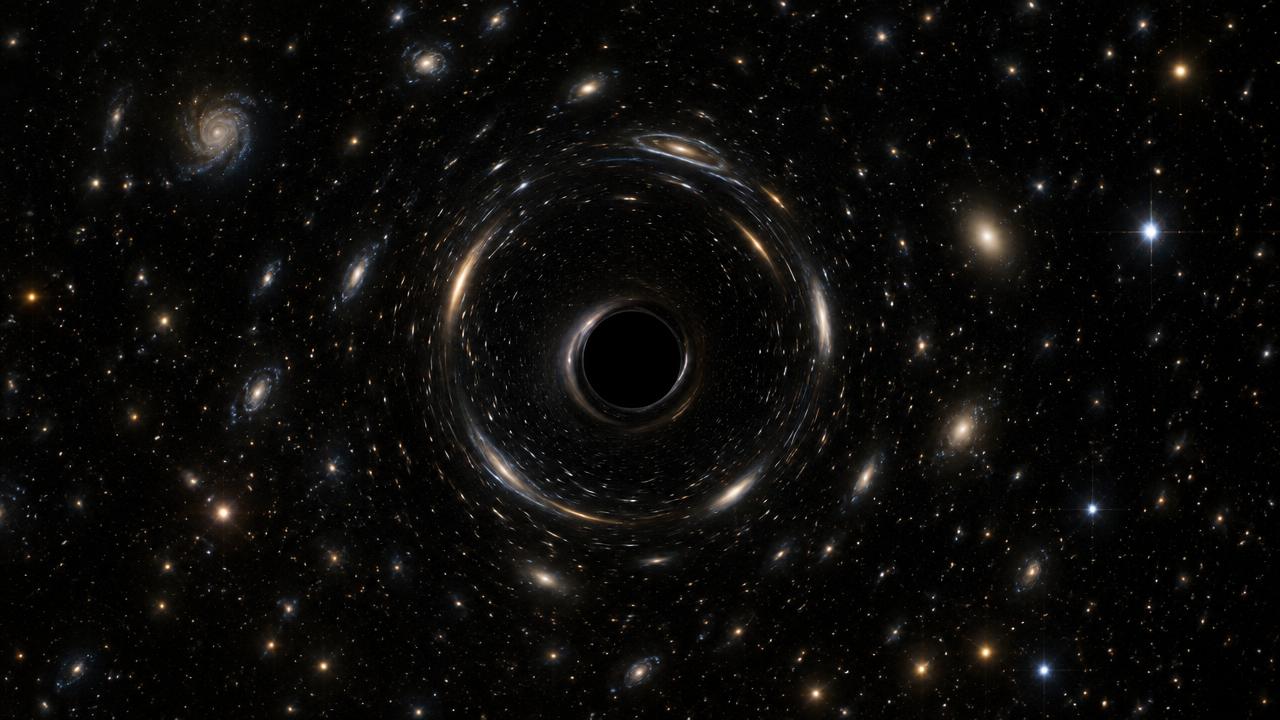
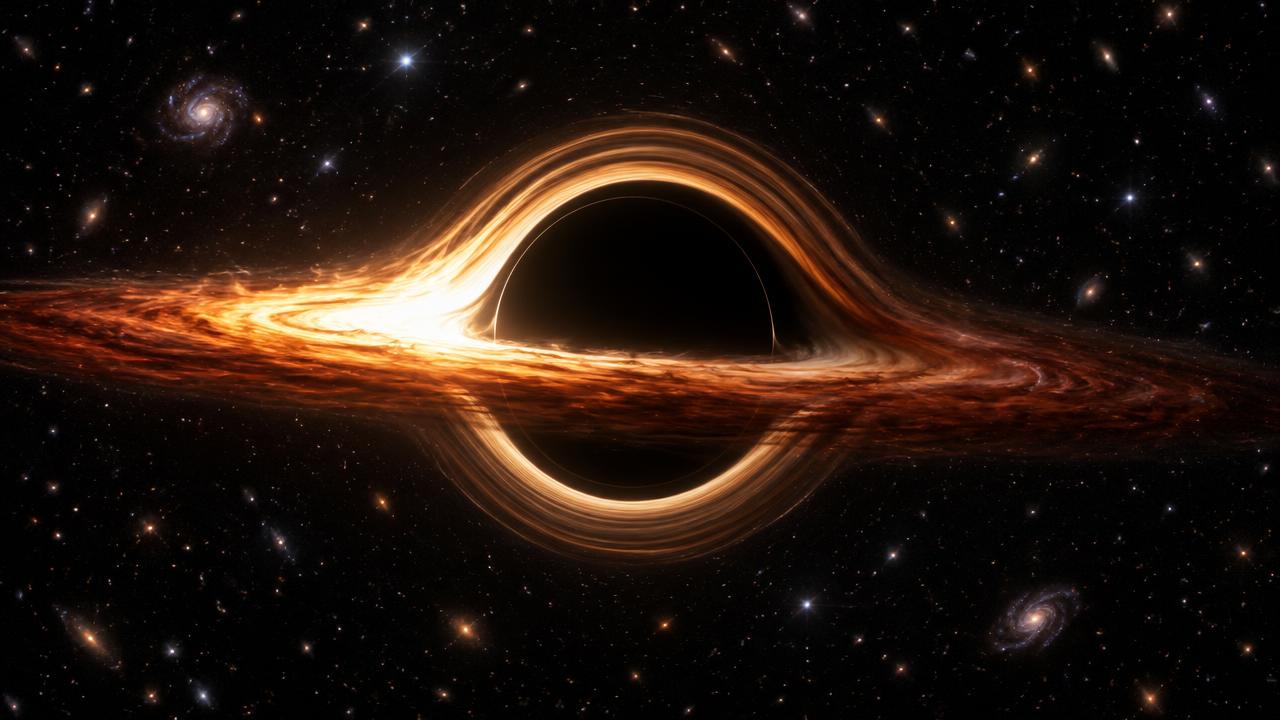
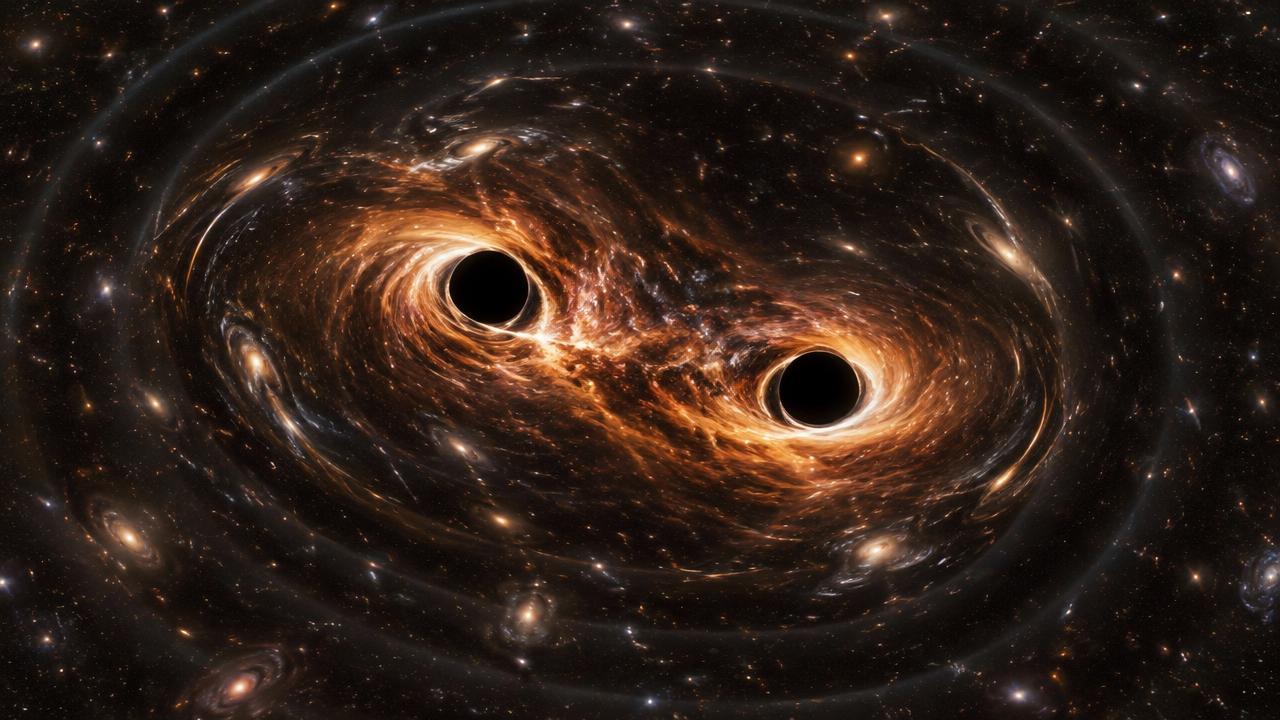
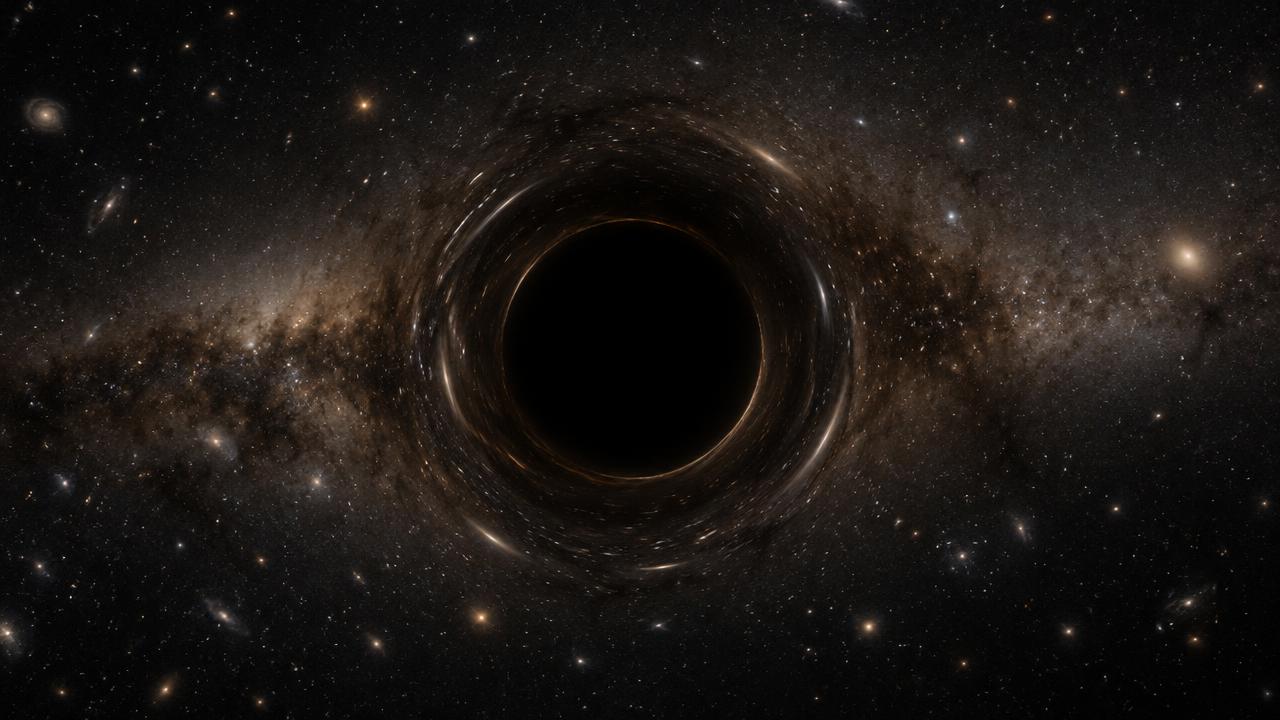
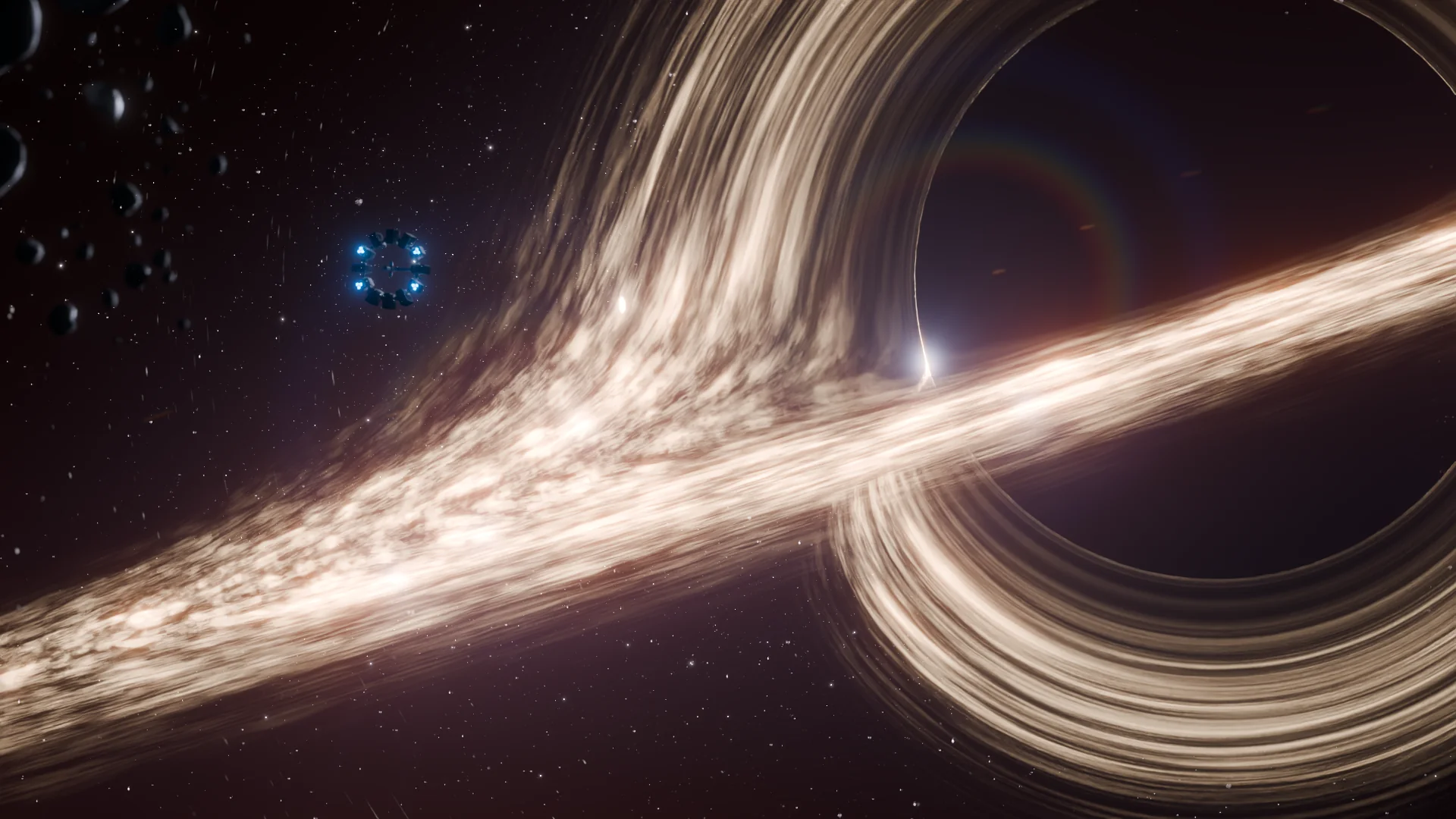
A black hole is the closest thing to a real object that physics has ever allowed itself to imagine. Something collapsed so far past any recovery that the escape velocity passes light itself — and yet we have photographed them, weighed them, and listened to them collide.
What keeps me interested is the honesty of it. Nothing about an event horizon is negotiable. Time genuinely runs slower near it, and no amount of wanting changes what happens once you cross.
Deep-space target · TON 618
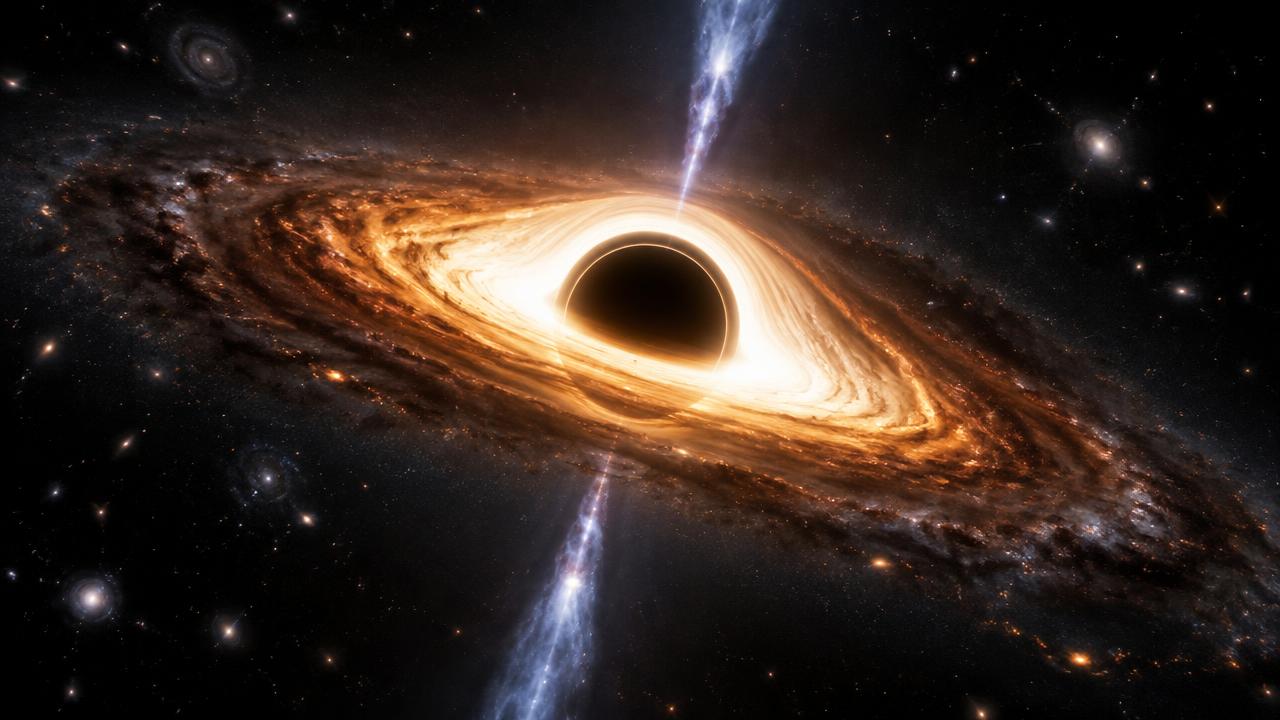
TON 618 is the brilliant core of a very distant galaxy, a hyperluminous quasar sitting near the border of the constellations Canes Venatici and Coma Berenices. The light reaching us tonight left about 10.8 billion years ago, so we are seeing it while the universe was still young. Space has kept stretching in the meantime, and on today's map the same object sits roughly 18.2 billion light-years away.
Its name is only a catalogue number. In 1957, Mexican astronomers Braulio Iriarte and Enrique Chavira were photographing faint blue stars well away from the plane of the Milky Way with the 0.7-metre Schmidt telescope at the Tonantzintla Observatory when one speck looked "decidedly violet" to them, and they wrote it in as entry 618. Nobody could have guessed what it was, because quasars were not recognised as a class until 1963. Thirteen years later a radio survey at Bologna picked up radio waves coming from it, and optical spectra taken by Marie-Hélène Ulrich at the McDonald Observatory in Texas showed the broad emission lines that identified it as a quasar.
The engine behind those lines is one of the most massive black holes ever measured: about 40.7 billion Suns, with older and still widely quoted estimates near 66 billion, because the answer shifts depending on how astronomers read its spectrum — which is why modern figures are usually given as a range rather than one final number. At that mass the event horizon would be some 2,600 astronomical units across, so all the planets of our Solar System could fit inside it many times over, and the whole system shines at around 140 trillion times the Sun's brightness as gas falls in at roughly 7,000 kilometres per second. It is also wrapped in an enormous cloud of glowing hydrogen called a Lyman-alpha blob. Even then, at magnitude 15.9 it is far too dim for the naked eye; we only know it exists because of how hard it is working.
| Object type | Hyperluminous quasar |
|---|---|
| Black-hole mass | About 40–66 billion Suns |
| Light-travel distance | About 10.8 billion light-years |
| Redshift | 2.219 |
| Constellation | Canes Venatici and Coma Berenices |
| First noted | 1957, logged as a faint violet star |
| Known as a quasar | 1970, from radio and spectral data |
| Brightness | About 140 trillion Suns |
| Visible without a telescope | No — magnitude 15.9 |
| Why it shines | Infalling gas heats up before crossing the event horizon |
Sources: Wikipedia ↗ · Guinness World Records ↗
Growth sequence · Simplified
Drag to evolve
Move from the black hole’s birth to its mature stage.
Stage 01 · Birth
A star with roughly ten or more times the mass of the Sun burns through its fuel and its core collapses in a matter of seconds. Nothing left can push back against gravity, so the remnant keeps shrinking until it becomes a black hole. The very first giants may have grown a different way — dense clouds of gas collapsing straight down without a star in between — and astronomers are still working out which route was more common.
This is a simplified growth path, not a confirmed biography of TON 618. Astronomers still debate how the earliest supermassive black holes grew so quickly.